Introduction
Modern office design is no longer just about desks and chairs. Today, interior design plays a crucial role in shaping employee productivity, focus, collaboration, and overall workplace satisfaction.
Layout and Space Planning
An effective office layout should balance collaboration and privacy. Open spaces encourage communication, while quiet zones allow focused work.
Key Considerations:
- Clear circulation paths
- Proper zoning for departments
- Dedicated collaboration areas
- Private focus rooms
- Comfortable meeting spaces

Lighting and Its Psychological Impact
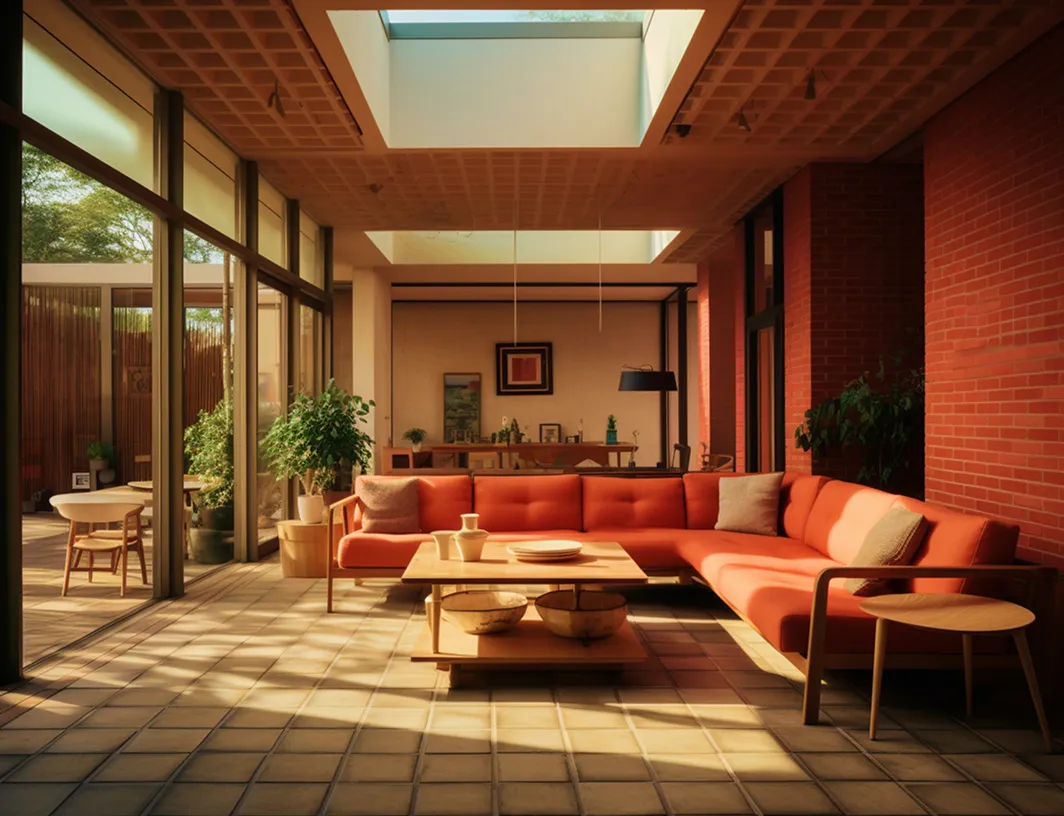
Natural light improves mood, reduces eye strain, and enhances alertness. Offices with large windows and proper daylight integration often report higher employee satisfaction.
Artificial lighting should be layered:
- Ambient lighting for overall brightness
- Task lighting for focused work
- Accent lighting for visual comfort
Ergonomics and Comfort
Comfort directly impacts productivity. Employees who feel physically uncomfortable are more likely to experience fatigue and distraction.
Essential ergonomic elements:
- Adjustable chairs
- Proper desk height
- Monitor alignment
- Supportive seating
- Adequate leg space
Breakout and Relaxation Areas
Productivity is not about constant work. It also depends on mental recovery.
Conclusion
Interior design has a powerful influence on workplace productivity. From layout and lighting to ergonomics and acoustics, every design decision affects performance and employee well being.
At Raumora Studio, we design office interiors that balance functionality, comfort, and brand identity — creating environments where teams can truly thrive.
Final Thoughts
The next five years in AI will be less about novelty and more about deep integration. As AI blends into the background of our daily lives, we’ll stop thinking of it as “technology” and more as a natural extension of how we live, work, and interact.